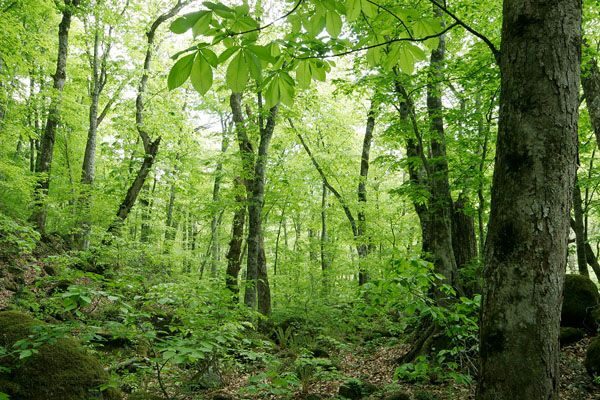
Trekking in Japan, vegetation at under 1000m altitude and clothing for trekking
こんにちは Robinです。
「山登りに行こう!」と誘われたときに、登山に慣れていない方は、まず何を着ていけばよいか迷ってしまうと思います。しかし、靴やウェアを考える前に『どこ行くか、どのような環境に行くか』を確認しなければなりません。標高、季節、天候、気温によって服装や持ち物が変わります、4回に分けて日本の植生とそれに合わせた装備や服装について紹介したいと思います。
今回は1000m以下の山の植生とに行くときのスタイルを紹介します。
This time, I will introduce the mountain vegetation (below 1,000m) and the appropriate clothing for trekking.
標高〜1000m:里山の森と低山ハイクの装い
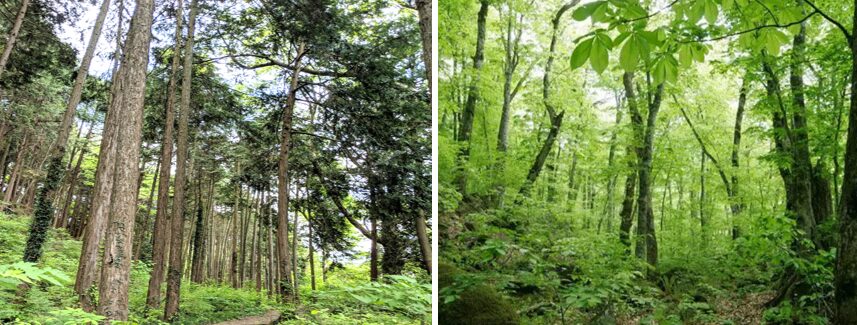
標高1000m以下は、広葉樹の森(コナラ・クヌギ・スギ・ヒノキなど)が中心で、季節ごとの変化が最も豊かに感じられるエリアです。気温は平地と大きく変わらず、春〜秋は比較的歩きやすいのが特徴です。
Forests below 1,000m are dominated by broadleaf trees such as konara oak, sawtooth oak, Japanese cedar, and cypress. This elevation zone offers the richest seasonal changes, making it a delightful area to explore throughout the year. Temperatures are similar to those in lowland areas, and from spring to autumn, the trails are generally easy to walk.
- 植生の特徴
- 落葉広葉樹が多く、春は新緑、秋は紅葉が美しい
- 林床にはシダ類や低木が多く、野生動物の気配も感じやすい
- 夏は蒸し暑く、虫が多い
- 落葉広葉樹の森では冬は落ち葉で足元が見づらい
- Vegetation Features
- Abundant deciduous broadleaf trees create vibrant scenery, with fresh greenery in spring and stunning foliage in autumn.
- Ferns and shrubs thrive on the forest floor, and signs of wildlife are often noticeable.
- Summers can be hot and humid, with many insects.
- In autumn~winter, fallen leaves from deciduous trees can make trails slippery or obscure the path.
- 服装のポイント
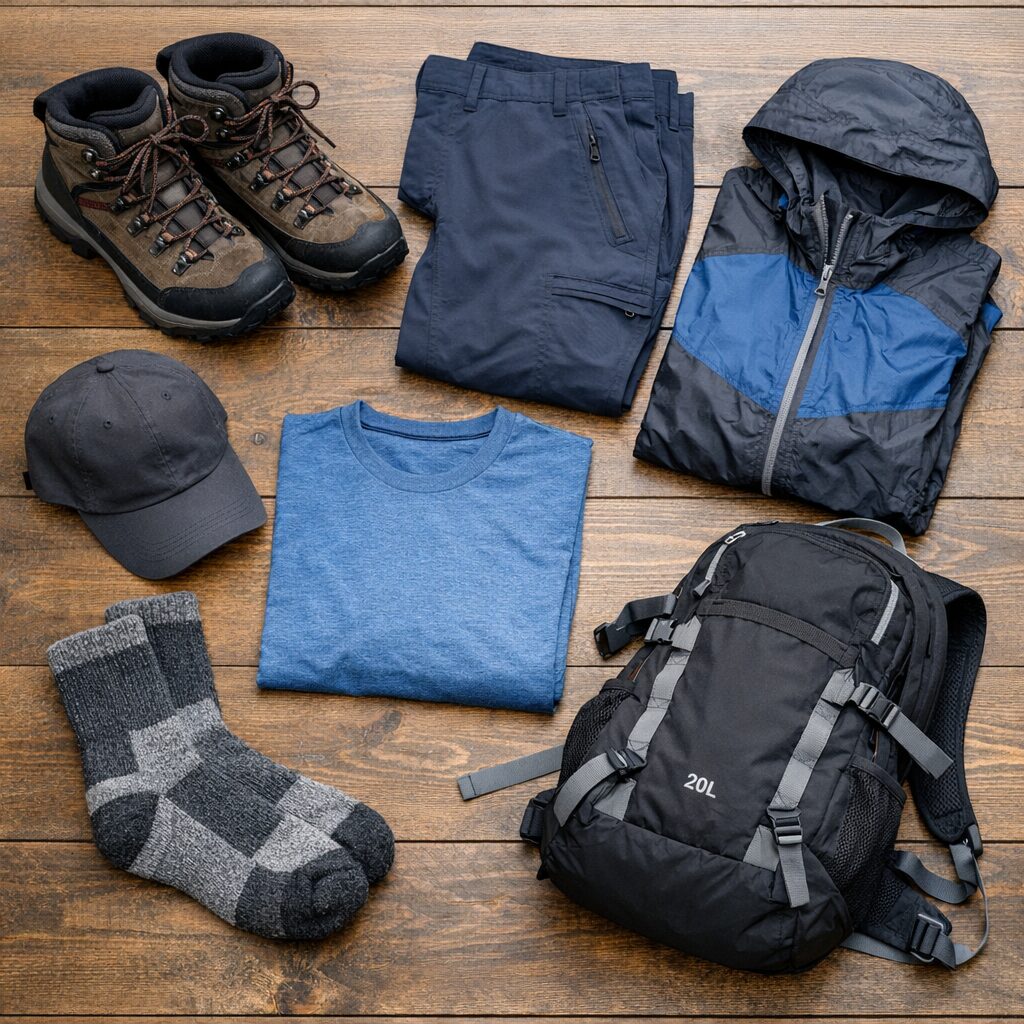
- 動きやすく、速乾性のあるシャツが快適
- 虫対策として長袖・長ズボン・長ソックス
- 朝夕は冷えるため、ソフトシェルを一枚持つと便利
- 標高が低くても、登山靴は必要
- Clothing Tips
- Wear comfortable, quick-drying shirts for ease of movement.
- Long sleeves, long pants and long socks help protect against insects.
- Mornings and evenings can be chilly—bringing a lightweight softshell jacket is a smart idea.
- Even at lower elevations, proper hiking boots are essential.

コメント