Mountain Vegetation Features in Japan
こんにちは Robinです。
「山登りに行こう!」と誘われたときに、登山に慣れていない方は、まず何を着ていけばよいか迷ってしまうと思います。しかし、靴やウェアを考える前に『どこ行くか、どのような環境に行くか』を確認しなければなりません。標高、季節、天候、気温によって服装や持ち物が変わります、4回に分けて日本の植生とそれに合わせた装備や服装について紹介したいと思います。
今回は1000~2000mの山の植生と、登山時の服装を紹介します。
This time, I will introduce the mountain vegetation (Elevation 1,000–2,000m Coniferous Forest Zone & Temperature Awareness) and the appropriate clothing for hiking.
標高 1000〜2000m:針葉樹林帯と気温差への備え
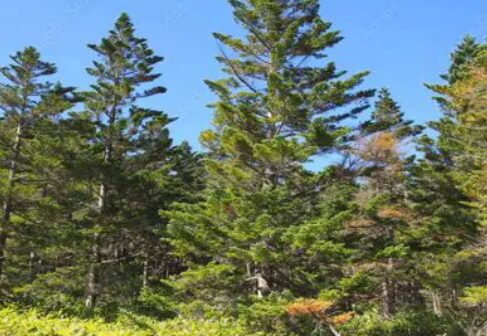
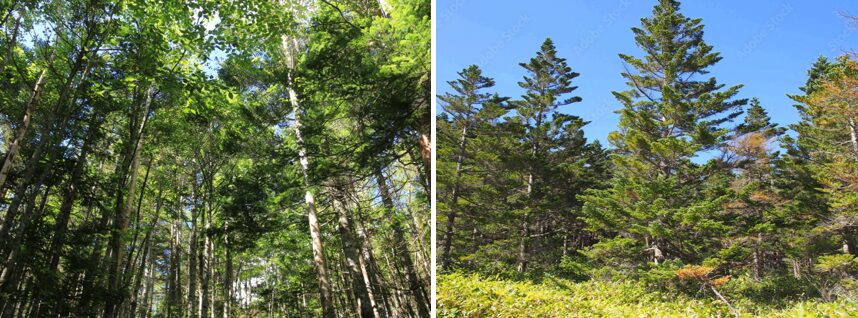
1000〜2000mは、多くの山域では、冬季は雪が降るため、シラビソ・コメツガなどの針葉樹林帯が広がり、雰囲気が一気に変わります。気温は平地より5〜10℃低く、天候の変化も早くなります。
Between 1,000ー2,000m, the forest landscape shifts dramatically into coniferous zones dominated by trees like Veitch’s fir and Japanese hemlock. Temperatures are typically 5–10°C cooler than in the lowlands, and weather conditions can change rapidly.
- 植生の特徴
- 針葉樹が増え、森が暗く静かになる
- コケや地衣類が多く、湿った独特の雰囲気
- 林床の植物は少なくなり、東北地方の山では森林限界に達する
- Vegetation Features
- Coniferous trees become more dominant, creating a darker and quieter forest atmosphere.
- Mosses and lichens thrive, giving the forest a moist, mysterious feel.
- Understory plants become sparse as you approach the tree line.
- 服装のポイント(7~9月 Jul-Aug)
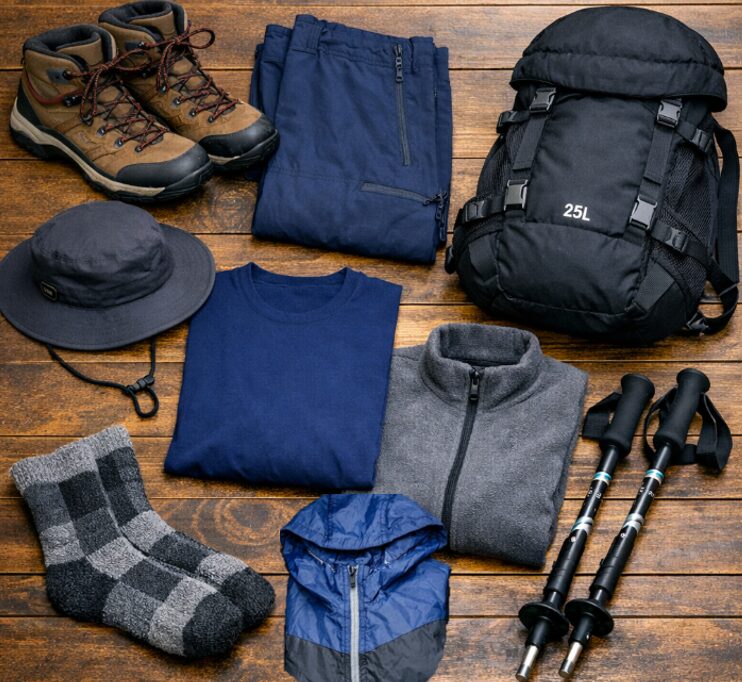
- 早朝の冷え込みや気温の変化に備え、薄手のフリースやウインドシェルが必要
- 天候が変わりやすいので雨具は必携。
- 汗冷えを防ぐため、吸湿速乾のインナーが重要
- 足元が不安定になるので、ハイカットの登山靴
- Clothing Tips
- A lightweight fleece or wind shell is essential for warmth.
- Always carry rain gear—weather can shift quickly.
- Moisture-wicking base layers help prevent getting chilled from sweat.
- Because the terrain can be uneven and unstable, wearing high-cut hiking boots provides better ankle support and stability.
コメント