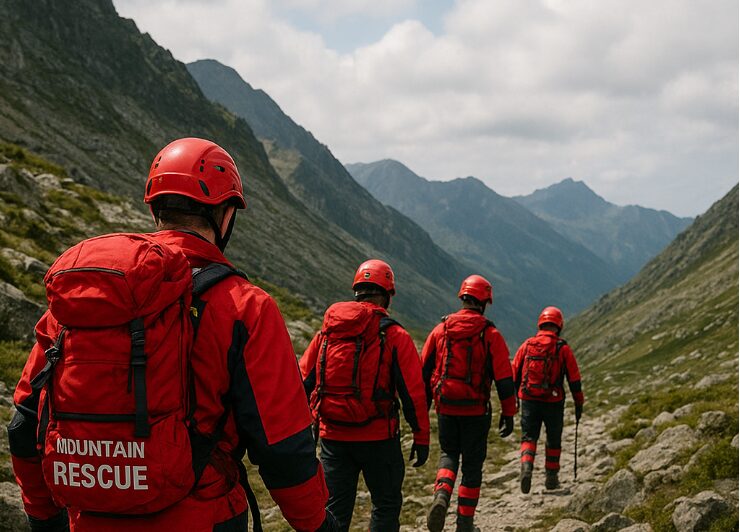
山岳遭難のニュースが夏になると目立ちます。最近は外国人の方の遭難も増えており、日本の登山の知識を持って楽しんでほしいと思うこの頃です。遭難事故のケースには夕方になって救助要請しているケースも目にします。レスキュー隊であっても夜間や気象が荒い日には出動できません。ここでは地上から捜索する救助隊と、ヘリコプターで出動する救助隊の2つの救助について紹介したいと思います。
News about mountain accidents becomes more prominent in the summer. Recently, there has been an increase in accidents involving foreign visitors as well. I truly hope they can enjoy hiking in Japan with proper knowledge of mountain safety. In some cases, rescue requests are made in the evening. However, even rescue teams cannot operate at night or during severe weather conditions. Here, I would like to explain two types of rescue operations: ground rescue teams and helicopter rescue teams.
救助隊の活動時間帯
Rescue Team Activity Hours
- 地上救助隊 Ground Rescue Teams
・原則として 日中(明るい時間帯) に活動。夜間は視界が悪く、隊員自身の安全確保が難しいため活動は制限される。
・夜間救助が必要な場合は、現場でのビバーク(緊急野営)や翌朝まで待機するケースもある。
・As a rule, they operate during the daytime (when visibility is good). At night, poor visibility makes it difficult to ensure the safety of the rescuers themselves, so activities are restricted.
・If rescue is required at night, the team may have to bivouac (set up an emergency camp) at the site or wait until the following morning.
- ヘリコプター救助 Helicopter Rescue
・日の出から日没まで が基本的な活動可能時間帯。夜間飛行は安全上の理由から行われない。
・救助隊の救助も安全を確保できる状態での出動です。日没近くに救助要請した場合、翌日になる(=暗闇で一晩越さなければならない)ことを頭に入れておいてください。
・The basic operational hours are from sunrise to sunset. Night flights are not conducted for safety reasons.
・Rescue teams can only be dispatched when conditions allow for safe operations. If you request rescue close to sunset, keep in mind that it may be postponed until the next day—meaning you will need to spend the night in darkness.
ヘリコプターを飛ばせる条件
Conditions for Helicopter Deployment
- 天候条件 Weather Conditions
・雨・雪・濃霧などで視界が悪い場合は飛行不可。
・強風や乱気流がある場合も危険のため出動できない。
・Flights are not possible when visibility is poor due to rain, snow, or dense fog.
・Strong winds or turbulence also make deployment too dangerous. - 地形条件 Terrain Conditions
・山岳特有の急峻な地形や狭い谷ではホバリングや着陸が困難。
・開けた尾根や広場など、救助隊が安全に接近できる場所が必要。
・Steep mountain terrain or narrow valleys make hovering or landing difficult.
・Open ridges or flat areas are required so that rescue teams can safely approach. - 時間条件 Time Conditions
・基本は 日中のみ。夜間は飛行禁止。冬季など日照時間が短い時期は活動可能時間も短くなる。
・Operations are generally limited to daytime only. Night flights are prohibited. In winter, shorter daylight hours mean reduced operational time. - 安全判断 Safety Judgment
・機長が気象・地形・機体性能を総合的に判断し、安全が確保できない場合は出動中止となる。
・The pilot makes a comprehensive decision based on weather, terrain, and aircraft performance. If safety cannot be ensured, deployment will be canceled.
登山者が知っておくべきこと
Essential Knowledge for Mountaineers
- 遭難時は ためらわずに119番または110番へ通報。
- 登山届は必ず提出しておくこと。
- 通報時には 場所・状況・人数・体調・服の色を簡潔に伝える。GPS情報があると発見が早い。
- ヘリが接近したら、目立つ色の布やライトで合図を送ると発見されやすい。
- 夜間や悪天候では救助が遅れる可能性があるため、ビバーク装備(防寒具・食料・ライト)を常に携行することが重要。
- In the event of an accident, do not hesitate to call 119 or 110.
- Always make sure to submit a climbing registration form before your trip.
- When making the emergency call, briefly convey your location, situation, number of people, physical condition and color of the clothing”. Providing GPS information will speed up discovery.
- When a helicopter approaches, signal with a brightly colored cloth or a light to make yourself easier to spot.
- Since rescue may be delayed at night or in bad weather, it is essential to always carry bivouac equipment such as warm clothing, food, and a light.
遭難しないために情報収集を
登山前には地元のビジターセンターや観光案内所に立ち寄って、最新の登山道の状況や難易度、必要な装備について尋ねてみましょう。特に日本での登山が初めての方にとって、現地のアドバイスはとても心強いものです。思わぬトラブルを避けて、安心して山を楽しむためにも、遠慮せずに質問してみてくださいね。
To stay safe in the mountains, it’s a great idea to stop by a local visitor center or tourist information office before your hike. Staff can give you up-to-date information about trail conditions, the difficulty level, and what gear you’ll need. Especially if you’re new to hiking in Japan, getting local advice can help you avoid unexpected challenges and enjoy your adventure with peace of mind. Don’t hesitate to ask questions—your safety comes first!
まとめ
救助隊とヘリは「日中・良好な天候・安全な地形」でのみ活動可能です。いつでもどこでも助けに来てくれるスーパーマンとは違います。広大な山中を隅々まで把握しているわけでもありません。登山者自身も万が一遭難した場合への備えが必要です。命が助かる助からないは、自分自身の準備と知識が次第であることを再確認しておきましょう。
Rescue teams and helicopters can only operate during the daytime, in good weather, and in safe terrain. They are not like superheroes who can come to your aid anytime, anywhere. Nor do they have complete knowledge of every corner of the vast mountains.
This means that climbers themselves must be prepared in case of an emergency or accident. Whether your life can be saved or not ultimately depends on your own preparation and knowledge. It is important to keep this in mind and reaffirm it before heading into the mountains.
コメント