The ability to make the decision to ”turn back”
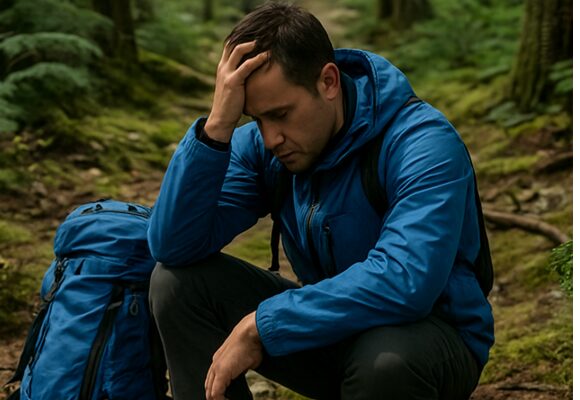
登山は自然の美しさを楽しむ素晴らしい体験ですが、同時に危険とも隣り合わせです。事故の多くは「もう少しなら行けるだろう」という油断から起きています。安全に下山するためには、引き返す勇気を持つことが何より大切です。ここでは、登山中に引き返しを判断すべきポイントとタイミングを整理します。
Hiking is a wonderful way to enjoy the beauty of nature, but it also comes with inherent risks. Many accidents occur from a moment of overconfidence—thinking “I can probably go just a little further.” To ensure a safe descent, the most important thing is having the courage to turn back. In this guide, we’ll outline the key points and timing for making that decision during your hike.
引き返しを検討すべきポイント
Points When You Should Consider Turning Back
- 天候の急変
雲が厚くなり視界が悪化、強風や雷の兆候が見えたら即座に下山を検討。 - 予定時間の遅れ
計画より大幅に遅れている場合、日没前に下山できない可能性が高まる。 - 体調の異変
強い疲労、頭痛、吐き気、めまいなどは高山病や低体温症のサイン。無理は禁物。 - 仲間の様子
グループ登山では一人でも不調者が出たら全員で引き返す判断が必要。 - ルート状況の悪化
雪や岩が崩れやすい、道が不明瞭など危険が増している場合。
- Sudden Weather Changes
If the clouds become thicker and visibility worsens, or if signs of strong winds or lightning appear, consider descending immediately. - Delays in Schedule
If you are significantly behind your planned schedule, the risk of not being able to descend before sunset increases. - Physical Condition Changes
Severe fatigue, headaches, nausea, or dizziness can be signs of altitude sickness or hypothermia. Do not push yourself. - Condition of Group Members
In group hiking, if even one member shows signs of poor condition, everyone should make the decision to turn back. - Deteriorating Route Conditions
If snow or rocks become unstable, or the trail becomes unclear, the dangers increase.
引き返すべきタイミング
When You Should Turn Back
- 不安を感じた瞬間
少しでも「危ない」と思ったら、それは危険のサイン。直感を軽視しないこと。 - ピーク目前でも
山頂まであと少しでも、天候が悪ければ潔く引き返す。体力に懸念があれば進まない。 - 下山時間を逆算して
予定より遅れている場合は、山頂を目指すより安全な下山を優先。
- The Moment You Feel Uneasy
If you feel even a little “this might be dangerous,” that is a warning sign. Never ignore your intuition. - Even When the Peak Is Close
Even if the summit is just ahead, turn back without hesitation if the weather is worsening. If you’re unsure about your physical strength, do not continue. - Calculate Your Descent Time
If you’re behind schedule, prioritize a safe descent rather than pushing for the summit.
引き返しや避難のタイミングを誤ると・・・
If You Misjudge the Timing to Turn Back or Seek Shelter…
- 日没後の行動による遭難
下山が遅れて暗闇に入り、視界不良で道迷いや転倒の危険が急増する。 - 天候悪化に巻き込まれ
雷雨、強風、濃霧、降雪などに遭遇し身動きが取れなくなり、低体温症に陥る可能性がある。 - 体力の限界を超える
疲労や高山病の症状が悪化し、歩行困難や意識障害を引き起こす。 - 救助困難になる
夜間や悪天候では救助隊やヘリコプターが活動できず、発見や救助が遅れる。 - 仲間全員に遭難の危険が及ぶ
グループ登山では一人の無理が全員のリスクに直結する。
- Getting Lost After Sunset
If your descent is delayed and you end up hiking in the dark, poor visibility greatly increases the risk of losing the trail or falling. - Being Caught in Severe Weather
You may encounter thunderstorms, strong winds, dense fog, or snowfall, leaving you unable to move and at risk of hypothermia. - Exceeding Your Physical Limits
Fatigue or altitude-related symptoms may worsen, leading to difficulty walking or even impaired consciousness. - Rescue Becomes Difficult
At night or in bad weather, rescue teams and helicopters may be unable to operate, delaying discovery and rescue. - Putting the Entire Group in Danger
In group hiking, one person pushing beyond their limit increases the risk for everyone.
自力では下山できなくなり、避難場所がなければ救助要請しか方法がなくなってしまいます。
If you lose the ability to descend on your own and there is no shelter nearby, requesting rescue may become your only option.
登山者に発生しやすい心理的な落とし穴
Common Psychological Pitfalls for Mountain Climbers
- 「せっかくここまで来たのだから」というピークハント欲
- 「もう少しなら大丈夫だろう」という楽観的判断
- 「仲間に迷惑をかけたくない」という遠慮
- “I’ve come this far, so I want to reach the summit.”
A strong desire to peak-hunt. - “It should be fine to go just a little farther.”
Overly optimistic judgment. - “I don’t want to trouble my companions.”
Hesitation caused by not wanting to be a burden.
これらが冷静な判断を鈍らせ、撤退のタイミングを逃す原因になります。
These factors can cloud your judgment and cause you to miss the right moment to retreat.
まとめ
登山は「登頂」よりも「無事に帰ること」にこだわらなければなりません。引き返す判断は決して失敗ではなく、次の登山につながる賢明な選択です。ガイドが付き添っていても、ツアーであっても同じです。山はいつでもそこにあり、また挑戦する機会は訪れます。勇気ある撤退ができることも登山スキルの1つと言えるでしょう。
Mountaineering should prioritize returning safely over reaching the summit.
Choosing to turn back is never a failure—it is a wise decision that leads to your next climb.
This is true even when accompanied by a guide or participating in a tour.
The mountain will always be there, and the opportunity to challenge it will come again.
Being able to make the courageous decision to retreat is also one of the essential skills of a mountaineer.

コメント