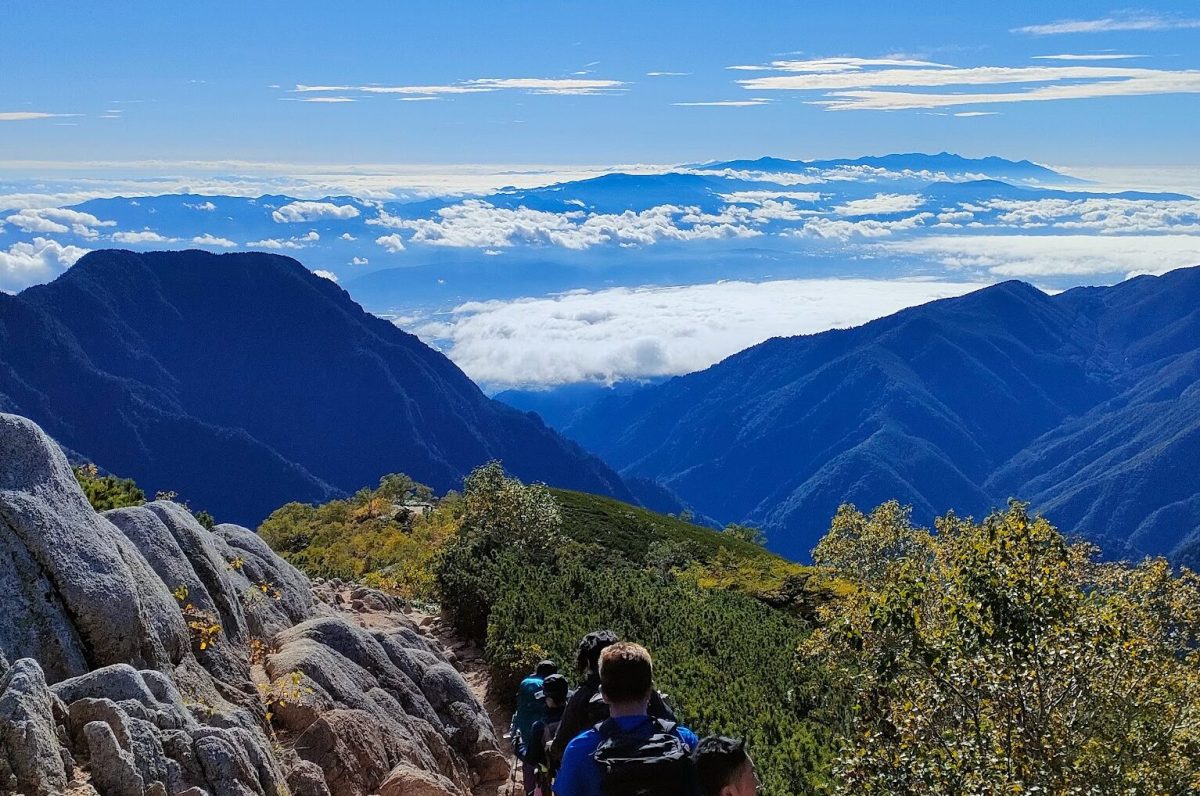
Hiking Is Great for Boosting Mental and Physical Energy
激しいスポーツや、負荷の高いスポーツをやっている方は共感いただけると思いますが、”週末に登山とかしてたら、休む暇ないじゃない?”ということを言われます。確かに疲れるのですが、それ以上に心身の解放感や達成感、仕事のことが吹っ飛んで脳のリフレッシュができるような・・・
それを解説してくれるかのように、【休養学】片野秀樹著 にまとめられていたので、紹介してみたいと思います。
“If you go hiking on the weekend, when do you ever rest?” That’s something people often say to me. And yes, hiking can be physically tiring—but more than that, it brings a sense of mental and physical release, a feeling of accomplishment, and a refreshing break from work that helps clear my mind.
Interestingly, this idea is beautifully explained in the book Kyūyōgaku (“The Science of Rest”) by Hideki Katano. I’d like to introduce some of its insights that helped me better understand why hiking can actually be a form of active recovery.
著者によると、活力を高めるための休息には適度な負荷が必要とのことで、以下の要素が含まれているほど活力を生み、積極的な休息となるそうです。その要素を見ていきましょう。
自分で決めた負荷である
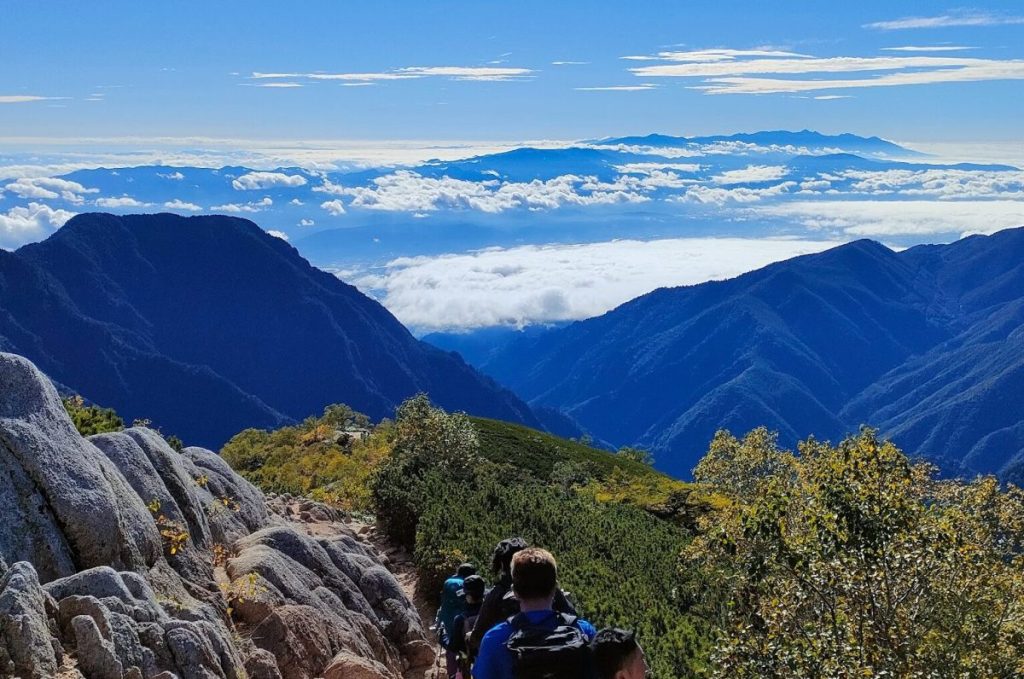
Choosing Your Own Level of Challenge
”やらなければならない” ”やってほしい”など、自分の意思以外でやることには、多少のストレスが伴いますが、自分で決めたことであれば、やる理由を自分で納得できているので負荷に向かうモチベーションが高まりまるそうです。
確かに自分で決めたことは、多少きついことでも積極的に計画して、自然と楽しもうという気持ちがわいてきますよね。
Tasks imposed by others—like “you have to do this” or “I want you to do that”—can carry a certain amount of stress. But when you choose the challenge yourself, you understand the reason behind it, which boosts your motivation to take it on.
Even if the task is tough, when it’s something you’ve decided to do, you naturally start planning proactively and find yourself wanting to enjoy it.
成長できそうな負荷であること
Challenges That Help You Grow
”ちょっと難しいけど、これができたら自分は成長できる” と思える挑戦も、良い負荷だそうです。
まさに登山は毎回その繰り返しで、未知なルートへの不安を抱えながら、自分の経験と判断でクリアできた達成感が得られます。
A challenge that makes you think, “This is a bit difficult, but if I can do it, I’ll grow,” is considered a healthy kind of stress. Hiking is exactly that kind of experience—each time, you face uncertainty about unfamiliar routes, and the sense of accomplishment from overcoming them through your own judgment and experience is deeply rewarding.
楽しむ余裕があること
Having Room to Enjoy It
楽しくないことは心身への疲労にしかなりません。つらい・きつい中にも、楽しい・うれしい・きれい・かわいいなどポジティブな感動があることが活力になるそうです。
登山中は、美しい景色、美しい花、動物、自然が作り出す奇想天外な風景など、自然が楽しみを与えてくれるので、負荷と楽しみが交互になって、活力を持続できている気がします。
If something isn’t enjoyable, it only leads to mental and physical fatigue. But even in tough moments, if there’s joy, beauty, or surprise, those positive emotions become a source of energy. While hiking, nature offers endless delights—stunning views, beautiful flowers, wildlife, and unexpected landscapes. The alternating rhythm of challenge and enjoyment helps sustain your energy throughout the journey.
仕事と関係ない負荷であること
Challenges Unrelated to Work
仕事に関係あるものは仕事の脳を使ってしまうのでリフレッシュにはならず、かといって、家でボーっとしていてもついつい考えてしまうものです。多少の負荷をかけて、その負荷をどう攻略するかを考えることに思考を集中することが、頭の中から仕事を取り除くことになりリフレッシュになるそうです。
登山中は、時間のこと・天気のこと・ルートのこと・相手のこと・自分の身体のことなどなど、考えることがいっぱいで、自然と【今】に集中しているような気がします。
By engaging in a challenge that requires focus—like figuring out how to navigate a trail—you shift your attention away from work and give your mind a genuine break. During a hike, you’re constantly thinking about time, weather, the route, your companions, and your own physical condition. It naturally brings your focus to the present moment.
まとめ
Summary
昨今はマインドフルネスやWellBeingという言葉が聞かれるようになり、より良い生き方、効率的な休息などが注目されています。あえて休息について見直し、効果的な休み方を学んでみるのはいかがでしょうか。今回ご紹介した”休養学”片野秀樹著ですが、見出しが細かく振られているので、ちょっとの時間で読み進められるので、少しずつ自分の休息を振り返りながら読むことができましたのでお勧めです。
Why not take a moment to rethink how you rest and learn how to do it more intentionally? The book Kyūyōgaku (“The Science of Rest”) by Hideki Katano, which I introduced here, is a great resource. Its clear headings make it easy to read in short bursts, allowing you to reflect on your own rest habits little by little. Highly recommended.


コメント